Most expensive pool repairs don’t happen overnight. They happen slowly and silently, building up over weeks or months before finally showing up as a broken pump, a cracked surface, or a green pool that takes days to fix.
The good news is that nearly every one of these issues is preventable, once you know what to watch for.
At Pool Service Plus, we’ve seen the same handful of small mistakes turn into costly pool repair in West Palm Beach for homeowners across West Palm Beach, Palm Beach Gardens, Jupiter, and Wellington. Here’s what they are, how to avoid them, and how routine maintenance can help prevent expensive repairs down the road.
DATA POINT: Industry data shows that imbalanced pool chemistry is one of the leading causes of premature plaster and equipment damage, often costing thousands of dollars in repairs that could have been prevented with consistent chemical balancing.
Skipping a week of testing rarely causes an immediate visible problem. But in South Florida’s heat, pH and chlorine levels can shift significantly in just a few days, and that drift compounds over time.
A filter pressure gauge that’s creeping upward week after week is one of the clearest early warning signs in pool maintenance, and one of the most commonly ignored.
IMPORTANT: If filter pressure rises 8–10 PSI above its clean baseline and isn’t addressed, the pump has to work significantly harder to push water through, which accelerates motor wear and can lead to a full pump failure months earlier than necessary.
Many homeowners set their pump timer once and never adjust it, even as seasons and pool usage change.
A slightly noisy pump, a small leak at a fitting, or a heater that’s not quite reaching temperature are all signals that something needs attention. Waiting until these issues become full failures almost always costs more.
Small issue: A slow leak at a pump seal, barely noticeable, losing a small amount of water daily.
If ignored: The leak worsens, eventually causing the pump motor to run dry and burn out completely.
Cost difference: A seal replacement might cost a fraction of what a full pump replacement costs.
Adding extra chlorine tablets to fix a quick chemistry issue, instead of properly testing and balancing first, is a common shortcut that often backfires.
Even homeowners who handle weekly maintenance themselves can benefit from periodic professional equipment checks. A trained eye often catches early warning signs that aren’t obvious to someone without technical pool experience.
PRO TIP: A simple rule of thumb: if something about your pool seems even slightly different than usual, whether it’s a sound, a smell, or a slower fill rate, it’s worth investigating immediately rather than waiting to see if it resolves on its own.
The most expensive pool repairs almost always start as small, easy-to-fix problems. Catching them early is far cheaper and far less stressful than dealing with a full equipment failure or a major resurfacing project later.
Pool Service Plus helps homeowners across West Palm Beach, Palm Beach Gardens, Jupiter, and Wellington catch these issues before they become expensive, with consistent maintenance and honest equipment assessments.
What’s the single most common pool mistake that leads to expensive repairs?
Letting water chemistry drift unchecked for extended periods is the most common root cause. It seems harmless in the short term but gradually damages equipment and surfaces, leading to repairs that cost far more than consistent maintenance would have.
How do I know if my filter pressure is too high?
Check your filter’s pressure gauge right after cleaning it; that’s your clean baseline. If the reading climbs 8–10 PSI above that baseline, it’s time to clean the filter again. Ignoring this consistently can strain your pump.
Is it worth getting a professional pool inspection if I do my own maintenance?
Yes. Even experienced DIY pool owners benefit from periodic professional inspections, since trained technicians often catch early warning signs in equipment that aren’t obvious without specific technical experience.
Can a small pump leak really lead to a full pump replacement?
Yes, if left unaddressed. A small leak that goes unnoticed can eventually cause the pump to run with insufficient water, leading to overheating and motor failure. Catching the leak early typically means a much simpler and less expensive seal repair.
Does Pool Service Plus offer equipment inspections separate from regular maintenance?
Yes. Pool Service Plus offers equipment inspection and repair services across West Palm Beach, Palm Beach Gardens, Jupiter, and Wellington, whether you need a one-time assessment or ongoing maintenance support.
The party’s over. Everyone’s gone home. The pool looks just as clear as it did before everyone jumped in.
Here’s the thing: looking clean and being chemically balanced are two very different things, and the gap between them is exactly why shocking your pool after a party matters, even when the water seems perfectly fine.
At Pool Service Plus, we get calls every week from West Palm Beach homeowners surprised by cloudy or green water a day or two after a gathering. In many cases, the issue could have been avoided with a professional pool cleaning service before or after the event. Here’s what’s actually happening, and why shocking is the right move every time.
DATA POINT: Pool care experts consistently recommend shocking a pool after any event with heavy bather load, since organic contaminants from sunscreen, body oils, and sweat can overwhelm chlorine’s ability to keep the water sanitized, regardless of how clear it looks immediately afterward.
Every swimmer brings contaminants into the water: sweat, body oils, sunscreen, lotions, and sometimes more than that. Your pool’s chlorine works constantly to break these contaminants down, but there’s a limit to how much it can handle at once.
Chlorine continues sanitizing the water for hours after a party ends, but it’s working overtime. The visible clarity of the water doesn’t tell you whether your chlorine reserve has been depleted to dangerously low levels.
When chlorine reacts with contaminants like sweat and urine, it forms combined chlorine, sometimes called chloramines. Combined chlorine is far less effective at sanitizing water than free chlorine.
If combined chlorine levels exceed 0.2 parts per million, your pool’s sanitizing power is significantly reduced, even if your overall chlorine reading still looks adequate on a basic test strip.
PRO TIP: That strong “chlorine smell” people often associate with a clean pool is actually a sign of combined chlorine, not a sign of proper sanitation. A truly well-balanced pool has very little smell at all.
Shock treatments break down quickly in direct sunlight. Always shock after sunset to give the chemical time to work before UV rays start degrading it the next day.
IMPORTANT: Shocking during the day is one of the most common mistakes. Sunlight breaks down chlorine-based shock treatments within just a couple of hours, meaning most of the chemical never gets the chance to actually do its job.
Skipping this step doesn’t always cause an immediate problem. But combined chlorine and excess organic material create the perfect conditions for algae and bacteria growth over the following days, often showing up as cloudiness or a green tint 24 to 72 hours later.
There’s no exact number, but as a general guideline, any gathering significantly larger than your pool’s typical daily use, especially with five or more swimmers over several hours, warrants a shock treatment that evening.
A pool that looks clean right after a party isn’t necessarily a pool that’s safe to swim in the next day. Shocking after any significant gathering protects your water quality and prevents the algae blooms that are far more expensive to fix than a routine shock treatment.
Pool Service Plus helps West Palm Beach, Palm Beach Gardens, Jupiter, and Wellington homeowners stay ahead of these issues with reliable maintenance and emergency support when needed.
How soon after a pool party should I shock the water?
Ideally the same evening, after sunset. Waiting too long gives combined chlorine and organic contaminants more time to create conditions favorable for algae growth, especially in warm South Florida water.
Can I swim the day after shocking my pool?
Usually yes, as long as you test chlorine levels first and confirm they’ve dropped to a safe range, typically below 5 ppm. Most pools are safe for swimming within 8 to 24 hours after a properly applied shock treatment.
Why does my pool smell strongly of chlorine after a party even though I just shocked it?
A strong chlorine smell usually indicates combined chlorine, not excess sanitizer. This is exactly why shocking is necessary, since it breaks down combined chlorine and restores your pool’s actual sanitizing capacity.
Is it possible to over-shock a pool?
Yes, though it’s less common than under-treating. Excessive shock can temporarily raise chlorine to unsafe swimming levels and, in rare cases, affect certain pool surfaces. Following the recommended dosage for your pool’s specific volume helps avoid this.
Does Pool Service Plus offer post-party or emergency pool service?
Yes. Pool Service Plus provides responsive maintenance support, including post-event chemical balancing, for homeowners across West Palm Beach, Palm Beach Gardens, Jupiter, and Wellington. Contact us if you need help after your next gathering.
Every new pool owner eventually asks the same question: should I maintain this myself, or hire someone?
There’s no universally right answer, but there is a clear way to think about it. The decision usually comes down to three things: your available time, your comfort with pool chemistry, and how much risk you’re willing to take on.
At Pool Service Plus, we work with both types of homeowners every day across West Palm Beach, Palm Beach Gardens, Jupiter, and Wellington. Here’s an honest comparison to help you decide.
In total, DIY pool maintenance service typically requires 1 to 2 hours per week during normal conditions, with extra time needed after storms or during peak summer algae risk.
Most DIY pool owners spend between $250 and $450 per year on chemicals, test kits, and basic supplies. Equipment like brushes and vacuum heads are one-time purchases that last for years.
A professional weekly service typically handles everything DIY covers, plus equipment monitoring, early problem detection, and access to professional-grade chemicals and tools.
Most weekly service plans in the West Palm Beach area run $80–$150 per month, or roughly $960–$1,800 per year, depending on pool size and service scope.
DIY: Lower direct cost, but requires consistent weekly time and a working knowledge of pool chemistry.
Professional: Higher direct cost, but minimal time investment and reduced risk of costly chemistry mistakes.
IMPORTANT: The most expensive DIY mistakes usually come from over-correcting chemistry. Adding too much shock, the wrong type of algaecide, or mismatched chemicals can damage pool surfaces and equipment, sometimes costing more to fix than a year of professional service would have.
PRO TIP: A hybrid approach works well for many West Palm Beach homeowners: handling daily skimming and visual checks yourself, while hiring a professional for weekly chemistry balancing and monthly equipment inspections.
DIY pool maintenance saves money upfront but requires consistent time and a real understanding of chemistry. Professional service costs more but reduces risk and frees up your weekends.
Pool Service Plus offers flexible service plans for homeowners across West Palm Beach, Palm Beach Gardens, Jupiter, and Wellington, whether you want full-service care or occasional professional support to complement your routine.

Is DIY pool maintenance hard to learn?
The basics, like skimming, brushing, and testing chemistry, are fairly easy to learn within the first few weeks. The harder part is consistency, especially during busy periods or after storms when chemistry can shift quickly.
Can I switch from DIY to professional service if it becomes too much?
Yes, most homeowners can transition smoothly. Pool Service Plus often helps homeowners who started with DIY maintenance and want to switch to professional service after experiencing an algae bloom or equipment issue.
Does professional service include chemical costs, or just labor?
This varies by provider and plan. Some service plans include chemicals in the monthly price, while others bill chemicals separately. It’s worth clarifying this upfront when comparing quotes.
What’s the most common reason homeowners switch from DIY to professional service?
Inconsistency is the most common reason. Busy schedules, travel, or simply forgetting a week of maintenance can lead to a green pool or equipment issue that costs more to fix than professional service would have cost in the first place.
Does Pool Service Plus offer flexible plans between full DIY and full service?
Yes. Pool Service Plus offers a range of service options across West Palm Beach, Palm Beach Gardens, Jupiter, and Wellington, from full weekly service to occasional support for homeowners who handle most maintenance themselves.
Before you buy a home with a pool, or build one, there’s a question almost everyone underestimates: what does it actually cost to keep that pool running every year?
The honest answer is more nuanced than a single number. It depends on whether you handle maintenance yourself, hire a professional, and how your specific pool is set up.
At Pool Service Plus, we’ve worked with hundreds of homeowners across West Palm Beach, Palm Beach Gardens, Jupiter, and Wellington. Here’s a realistic, no-surprises breakdown of what pool maintenance service actually costs in 2026.
DATA POINT: National data shows the average annual pool maintenance cost is approximately $288 for basic chemical and cleaning supplies, with many homeowners spending $800 or more per year when professional service is factored in.
This covers chlorine, pH adjusters, algaecide, shock treatment, and basic supplies like brushes and skimmer nets. For most residential pools, this falls in the $200–$400 per year range if you’re managing it yourself.
If you hire a weekly service, expect to pay between $80 and $150 per month in South Florida, depending on pool size and service scope. Annually, that’s roughly $960–$1,800.
This is the category most homeowners forget to budget for. Pumps, filters, heaters, and automation systems all wear out over time, and repair costs can range from a few hundred dollars to several thousand for a major replacement.
Add these together, and a fully professionally-serviced pool in Palm Beach County typically lands between $1,200 and $2,500 per year, while a self-managed pool with occasional professional help often falls between $600 and $1,200 per year.
PRO TIP: The single biggest way to keep annual pool costs predictable is consistency. A pool that’s neglected for a few weeks and then needs an emergency algae treatment often costs more in that one event than several months of regular weekly service would have.
IMPORTANT: One of the most overlooked costs is water replacement. Evaporation and splash-out mean South Florida pools can lose significant water over a year, and refilling adds to your water bill in ways many homeowners never track separately.
For many homeowners, yes. The time saved, combined with the reduced risk of costly mistakes like over-shocking the water or missing an early equipment warning sign, often offsets the higher sticker price of professional service.
If you’re confident in your chemistry knowledge and have the time, DIY can work well. If your schedule is unpredictable or you’d rather not deal with troubleshooting, professional service tends to be the more financially predictable choice over time.
Pool maintenance costs in 2026 vary widely based on how you manage your pool, but a realistic annual range for most West Palm Beach homeowners falls between $600 and $2,500, depending on whether you DIY or hire professional service.
Pool Service Plus helps homeowners across West Palm Beach, Palm Beach Gardens, Jupiter, and Wellington understand exactly what their specific pool needs, with transparent, predictable pricing.
What is the average monthly cost of professional pool service in West Palm Beach?
Most weekly professional pool service plans in the West Palm Beach area range from $80 to $150 per month, depending on pool size, equipment complexity, and whether the service includes chemical costs or just labor.
Does a saltwater pool cost more to maintain than a chlorine pool?
Saltwater pools typically have lower ongoing chemical costs but require periodic salt cell replacement every 3–5 years, which can cost several hundred dollars. Over time, the total cost is often comparable to a traditional chlorine pool.
What’s the biggest hidden cost in pool ownership?
Equipment repair and replacement is the most commonly underestimated cost. Pumps, heaters, and filters all have a limited lifespan, and many homeowners don’t budget for these expenses until something breaks.
Can I reduce my annual pool maintenance costs without sacrificing water quality?
Yes. Upgrading to a variable-speed pump, maintaining consistent weekly chemistry checks, and addressing small equipment issues early are the most effective ways to lower costs without compromising your pool’s condition.
Does Pool Service Plus offer transparent pricing for ongoing maintenance?
Yes. Pool Service Plus provides clear, upfront pricing for weekly maintenance plans across West Palm Beach, Palm Beach Gardens, Jupiter, and Wellington. Contact us for a custom quote tailored to your pool.
West Palm Beach’s summer climate is beautiful. It is also unforgiving of pool maintenance errors that other states might let pass without serious consequence.
A mistake that causes a slightly cloudy pool in New England can cause a full algae bloom in WPB within 48 hours. A skipped week that barely registers in Minnesota can cost hundreds of dollars in recovery here.
At Pool Service Plus, we have provided professional pool maintenance service across West Palm Beach, Palm Beach Gardens, Jupiter, and Wellington for over a decade. Here are the most common pool maintenance mistakes we see, and exactly how to avoid every one of them.
This is the leading cause of emergency green pool calls in West Palm Beach. It happens most often to homeowners who maintained their pool every 10 to 14 days in spring and assume the same schedule holds through July and August.
It does not. In WPB summer, a pool can develop an algae bloom within 48 to 72 hours during a heat wave, especially after a thunderstorm diluted the chemistry the day after the last service visit.
Data Point: Pool Service Plus technicians report that the vast majority of emergency green pool calls each summer involve pools where maintenance was delayed by just one week during a July or August heat event across Palm Beach County.
West Palm Beach receives daily afternoon thunderstorms throughout summer. Every storm dilutes your pool chemistry, reducing chlorine, lowering pH, and depositing phosphates that feed algae directly into the water.
Most homeowners test weekly and assume chemistry holds between service dates. After a significant WPB storm, that assumption is both wrong and expensive.
Pro Tip: A 10-minute post-storm chemistry check prevents multi-day green pool recovery projects. Stock pH Up, pH Down, shock, and algaecide before June 1 each year so you are always ready to respond.
This misunderstanding produces unexpected algae blooms in WPB pools every summer. A pool can look completely clear and still have chemistry that is dangerously out of balance.
High pH, depleted chlorine, or elevated cyanuric acid can all create conditions for an algae bloom within days, with no visible warning in the water’s appearance.
Common Mistake: A pool with CYA above 80 ppm has chlorine working at only 20–30% of its stated effectiveness. This hidden condition is one of the most common causes of recurring algae problems in WPB pools that appear to have adequate sanitizer levels.
Many Palm Beach County homeowners reduce pump runtime to 6–8 hours per day to lower their FPL electricity bill. The intended savings disappear quickly when inadequate circulation leads to chemistry problems and emergency service calls.
Data Point: Upgrading from a single-speed to a variable-speed pump saves Palm Beach County homeowners approximately $65–$110 per month on FPL bills during summer. Most WPB homeowners recover the full installation cost within 12 to 24 months.
Trichlor tablets are convenient for day-to-day chlorine maintenance. But using them as the only chlorine source throughout an entire WPB summer builds a chemistry problem that causes many unexplained algae events.
Every tablet that dissolves adds cyanuric acid to the water. By mid-summer with continuous tablet use, CYA climbs above 80 ppm, and at that level, chlorine’s ability to sanitize the water drops dramatically.
Shocking is one of the most important maintenance steps in WPB summer. Doing it between 9 am and 5 pm on a Florida summer day wastes most of the product you paid for.
South Florida’s UV index regularly reaches 11–12+. Calcium hypochlorite shock exposed to direct sunlight loses most of its potency within just a few hours, leaving your pool under-sanitized despite the treatment you just applied.
Palm Beach County pool equipment operates 365 days per year with no seasonal recovery period. Equipment in WPB accumulates operational wear far faster than in any climate with a true off-season.
Homeowners who treat equipment as maintenance-free until failure typically pay far more in emergency repairs than proactive inspection would have cost.
West Palm Beach homeowners love to travel during the summer. What many forget is that their pool does not travel with them, and an unattended WPB pool in July can turn green within 3 to 5 days.
Coming home to a green pool means $200–$500 in recovery chemicals and 3 to 5 days before the pool is swimmable again.
Pro Tip: Pool Service Plus offers scheduled vacation pool coverage across West Palm Beach and Palm Beach County. One call before you leave handles everything, so you come home to clear, swim-ready water.
This sequencing mistake wastes product every single time it occurs. Calcium hypochlorite shock works significantly more effectively at pH 7.2–7.4 than at 7.8 or higher. Shocking without checking pH first requires substantially more product to achieve the same result.
This is the mistake with the most serious potential consequences. Florida leads the nation in childhood drowning incidents. Pool safety equipment is not a compliance formality in Palm Beach County; it is what protects your family.
Common Mistake: Pool safety equipment deserves the same attention as water chemistry in Palm Beach County. A functional fence gate or working pool alarm takes 2 minutes to check monthly and is irreplaceable if it is ever needed.
Every mistake on this list is completely preventable. None requires advanced knowledge or expensive upgrades. They require consistency, attention, and an honest respect for the fact that WPB’s summer climate demands more than a generic pool care guide recommends.
The Palm Beach County homeowners with clean, clear pools all summer are not doing anything extraordinary. They are simply doing the fundamentals, on schedule, every week, without shortcuts or assumptions.
Pool Service Plus handles all of this for homeowners across West Palm Beach, Palm Beach Gardens, Jupiter, and Wellington, so you can stop managing your pool and start enjoying it.
The most common reason is skipped or delayed maintenance during summer heat. One missed week, especially after rain, can allow algae to grow quickly.
Test cyanuric acid monthly with a pool test kit. If CYA is too high, chlorine becomes less effective, even when test results look normal.
It is not recommended. Algae risk is lower in winter, but weekly service still protects your water chemistry, equipment, and pool surface.
Upgrading to a variable-speed pump is one of the most effective ways to lower pool energy costs while improving filtration.
Yes. Pool Service Plus serves West Palm Beach, Palm Beach Gardens, Jupiter, Wellington, and nearby Palm Beach County communities.
You walk out to your backyard on a Wednesday afternoon in July. Your pool was clear last weekend. Now it is green.
It is one of the most frustrating moments a West Palm Beach homeowner can experience. And it happens faster here than almost anywhere else in the country.
At Pool Service Plus, our technicians handle green pool recoveries across West Palm Beach, Palm Beach Gardens, Jupiter, and Wellington every week throughout summer. Here is exactly why it happens in WPB, and the fastest, most proven way to fix it.
Green pool problems in WPB are not bad luck. They are the predictable result of specific local conditions that hit your pool at the same time:
When these factors combine and push chlorine below 1 ppm in 90°F water, algae can establish itself in 24 to 48 hours. That window opens fast in WPB summer, often after just one skipped service visit combined with a heavy storm.
Data Point: Pool Service Plus technicians report that the large majority of emergency green pool calls across Palm Beach County arrive in July and August, and nearly all involve pools where regular maintenance was delayed by just one week.
Pro Tip: In West Palm Beach summer, your pool does not need weeks of neglect to turn green. A missed service visit during a heat wave, especially following an afternoon storm that loaded phosphates into the water, is often enough.
Not every green pool has the same cause. Identifying the correct algae type before treating saves time, money, and chemical waste.
Turns water cloudy and green, from a faint tinge to full swamp color depending on severity. Floats in the water and coats walls and floors. The direct cause is chlorine dropping below safe levels, typically after a storm adds phosphates to an already borderline pool.
Treatment: super-shock the pool with calcium hypochlorite, brush all surfaces aggressively, and run the filter continuously until the water tests clear.
Appears as a yellowish-brown dusting on walls and floors. Frequently mistaken for sand or fine sediment. Particularly resistant to standard chlorine levels, making it common in WPB saltwater pools.
Treatment: a targeted mustard algaecide, vigorous brushing of every surface, and a sustained elevated-chlorine cycle over several days.
Dark blue-green spots or patches on plaster and pebble surfaces. It has a protective outer coating that resists standard chlorine. Typically introduced via swimwear or equipment that was used in another body of water.
Treatment: stiff wire brushing, a dedicated black algae killer, and sustained high-chlorine treatment. Professional remediation is usually required for complete eradication.
Pink or reddish buildup appearing around return jets, ladder rails, and light fixtures. Despite looking like algae, this is actually a bacterium. Treated with shock, a targeted pink slime product, and significantly increased pump and filter runtime.
Common Mistake: Using the wrong treatment for the wrong type is one of the most common and costly pool recovery mistakes. If you are unsure which type you are dealing with, contact Pool Service Plus before purchasing any products.
This step-by-step protocol is for standard green algae, the most common WPB scenario. Mustard and black algae require additional targeted treatments alongside these steps.
Pro Tip: A severely green pool in WPB summer typically takes 3 to 5 days to fully clear, even with aggressive treatment. Stopping treatment or turning off the pump because the water starts to look better is the single biggest recovery mistake. Algae is not dead until the water tests completely clear at correct chemistry.
Recovery time depends directly on bloom severity:
The most reliable way to minimize recovery time is to act the moment you notice anything unusual. The window between catching a problem early and a full multi-day recovery project is measured in hours in WPB’s summer heat.
Recurring green pools despite treatment almost always come down to one of three root causes:
Data Point: A pool with CYA above 80 ppm has chlorine working at only 20–30% of its stated effectiveness. This hidden condition explains many recurring algae problems in WPB pools that appear to have adequate chlorine.
A West Palm Beach pool that turns slightly green, when caught immediately, can often be fixed in one visit. Left even a few more days in July heat, it can become a multi-day recovery project with hundreds of dollars in chemicals.
The moment you notice any change in water clarity or color, test the chemistry and take action. In Palm Beach County summer, the cost of acting fast is always far less than the cost of waiting.
Pool Service Plus provides emergency green pool remediation, regular preventive service, and professional pool water testing service across West Palm Beach, Palm Beach Gardens, Jupiter, and Wellington. Our team is ready to help.
How long does it take to fix a green pool in West Palm Beach?
A mild green pool can clear in 24–48 hours. A severe algae bloom may take 3–5 days with proper treatment, filter cleaning, and chemistry monitoring.
Is it safe to swim in a green pool?
No. A green pool means algae growth and chemical imbalance. Wait until the water is clear and chlorine and pH levels are safe before swimming.
Why did my West Palm Beach pool turn green after rain?
Rain can dilute chlorine, change pH, and add debris or phosphates. Retest and rebalance the pool within 24 hours after heavy rain.
Why does my pool keep turning green after I shock it?
Common causes include stopping treatment too early, high phosphate levels, poor filtration, or chlorine lock caused by high cyanuric acid.
Does Pool Service Plus handle emergency green pool calls?
Yes. Pool Service Plus handles emergency green pool cleanup across West Palm Beach, Palm Beach Gardens, Jupiter, Wellington, and nearby areas.
Owning a pool in Palm Beach County is one of the best decisions a homeowner can make. But keeping that pool clean and clear in WPB’s demanding summer climate is a different challenge than most online guides prepare you for.
Generic checklists written for seasonal climates simply do not account for what your pool faces here: daily storms, year-round use, water temperatures near 90°F, and an off-season that never comes.
Pool Service Plus has maintained pools across West Palm Beach, Palm Beach Gardens, Jupiter, and Wellington for over a decade. This checklist reflects what Palm Beach County pools actually need.
Data Point: Pool Service Plus technicians report that consistent weekly maintenance prevents more than 90% of the emergency green pool calls and equipment failures they encounter every summer across Palm Beach County.
Before diving into the checklist, it helps to understand why WPB pools are more demanding:
Pro Tip: In Palm Beach County, skipping one week of maintenance in peak summer does not just push your service date back. It starts a chemistry chain reaction that leads to algae within 48–72 hours. Consistency is the only reliable defense in this climate.
You do not need to test chemistry every day. But these quick daily checks catch small problems before they become expensive ones:
This is the foundation of every successful pool maintenance service in Palm Beach County. Every step matters in summer, from water testing and chemical balancing to brushing, skimming, and equipment checks.
Common Mistake: In Palm Beach County summer, perfectly clear-looking water can be just 48 hours from an algae bloom if the chemistry is off. Weekly testing is the only reliable way to know your pool is truly safe.
Monthly shocking is standard in most climates. In WPB peak summer, bi-weekly is the correct standard:
Pro Tip: Always shock after sunset in West Palm Beach. Florida’s intense UV destroys shock compounds within hours of daytime application. Shocking at night gives chlorine a full 8–10 hours of darkness to work before UV exposure begins again.
Hurricane season and peak swim season run at the same time in WPB. A clear storm protocol saves time, money, and stress after every weather event.
Data Point: Pool Service Plus technicians consistently report that post-storm chemistry recovery takes 1–3 days for pools with proper pre-storm preparation, versus 5–7 days for pools that had none.
Palm Beach County’s summer climate rewards consistent maintenance and punishes shortcuts quickly. The homeowners with crystal-clear pools all summer long are not doing anything complicated; they are simply following this schedule every week without exception.
Whether you manage your own pool or rely on Pool Service Plus for weekly service, these are the real standards WPB’s climate demands. Stick to them, and you will spend your summer in the water, not recovering from chemistry problems.
How often should I test my pool water in Palm Beach County?
Test your pool water at least once a week, and within 24 hours after heavy rain. During peak summer, twice-weekly testing is better for busy pools.
What is the most important weekly pool maintenance step?
Water chemistry testing is the most important step. It helps prevent algae, staining, scaling, and equipment damage.
When is the best time to add pool chemicals?
Early morning or after sunset is best. Shock treatments should be added after dark because strong Florida sun can reduce their effectiveness.
How much do Palm Beach County storms affect pool chemistry?
Afternoon storms can dilute chlorine, change pH, and add debris or phosphates. Retest and rebalance your pool within 24 hours after heavy rain.
Does Pool Service Plus serve Palm Beach Gardens, Jupiter, and Wellington?
Yes. Pool Service Plus serves West Palm Beach, Palm Beach Gardens, Jupiter, Wellington, and nearby Palm Beach County communities.
West Palm Beach backyards are being reimagined. High-end buyers, luxury new developments along the Intracoastal, and a culture of year-round outdoor living have pushed pool design to a whole new level.
In 2026, a pool is no longer just a pool. It is a design statement, a wellness retreat, and the anchor of your entire outdoor living space.
At Pool Service Plus, we service and maintain pools across West Palm Beach, Palm Beach Gardens, Jupiter, and Wellington every day. Here are the 10 luxury pool design trends we are seeing transform WPB backyards right now.
Data Point: Luxury pool renovation investment across Palm Beach County has increased significantly in 2026. Homeowners are demanding resort-caliber features in private residences, a trend confirmed by local pool builders and renovation specialists throughout the region.
The vanishing edge pool remains the most iconic luxury statement for WPB waterfront homes. Water flows over one or more edges and disappears into the horizon, merging your pool with the view of the Intracoastal Waterway beyond.
The 2026 evolution is the 360-degree perimeter overflow. Water spills silently over all four sides into a hidden catch slot. The result is a pool that appears to float, a mirror of still water with no visible edge from any angle.
Pro Tip: Only work with a licensed WPB contractor experienced in hydraulic engineering for vanishing edge designs. Improper engineering creates performance problems that are expensive to correct after the fact.
Bright neon-blue pools are out. Deep, sophisticated color palettes are in. Charcoal grey, midnight navy, and graphite pebble finishes, often paired with iridescent glass tile accents, are the look defining luxury WPB pools in 2026.
Under South Florida’s intense sun, dark finishes create a dramatic lagoon-like depth and stunning light play that lighter surfaces simply cannot match.
Wellness has become the defining upgrade in WPB luxury pool design for 2026. A cold plunge pool chilled to 50–60°F, positioned directly beside a heated spa at 102–104°F, brings contrast therapy, previously only available at elite spas, into the private backyard.
During a professional pool design consultation, homeowners can plan the right layout, temperature zones, safety details, and equipment setup to make this wellness feature feel seamless, functional, and resort-level.
For properties with smaller footprints near downtown WPB or Palm Beach Gardens, compact spool designs (spa-pool hybrids) deliver the same wellness functionality in a much smaller space.
Data Point: Cold plunge pool installations are the single fastest-growing luxury feature request in Palm Beach County in 2026, driven by WPB’s expanding wellness culture and new luxury Intracoastal developments.
Fire paired with water creates the resort-level atmosphere that defines luxury WPB outdoor living. Gas fire bowls on stone columns, linear fire pits running along pool edges, and fire-and-water walls produce dramatic evening environments that transform any backyard entertaining experience.
For Intracoastal properties, a fire feature reflecting across the pool and the waterway simultaneously creates a visual effect that is truly unforgettable.
Common Mistake: Gas fire features in Palm Beach County require permits and a licensed gas plumber for supply line work. Always use licensed contractors; unpermitted fire installations create serious insurance and resale complications.
The most admired WPB luxury pools in 2026 look like they belong in the landscape rather than being installed in it. Freeform organic shapes, natural limestone coping, tropical plantings cascading to the water’s edge, and boulder waterfall features create immersive, nature-inspired environments.
This trend connects naturally with South Florida’s tropical character and appeals strongly to homeowners who want their outdoor space to feel like a private jungle sanctuary.
Luxury WPB pool owners in 2026 expect total smartphone control. Automation has moved far beyond basic pump timers; a fully integrated smart pool is now the standard expectation in high-end installations.
For WPB homeowners who travel frequently or own rental properties, smart automation is a practical necessity, not a luxury add-on.
The basic tanning ledge has grown into something far more ambitious. In 2026, luxury WPB pool designers are building fully realized aquatic lounges, sun shelves large enough for four in-water chairs, with built-in umbrellas, side tables, and bubblers creating ambient water movement.
These aquatic living rooms have replaced the traditional pool deck as the primary social gathering zone in WPB luxury backyards.
West Palm Beach gets more than 260 sunny days per year. An outdoor kitchen is genuinely usable every month, making the outdoor kitchen and pool combination one of the highest-value backyard investments available in the WPB market.
Ultra-modern luxury WPB homes are incorporating structural acrylic or glass pool walls, transparent panels that turn the pool into a visual feature visible from interior living spaces. Paired with pocketing glass doors, these designs eliminate the boundary between the living room and the water.
Pro Tip: Glass and acrylic pool walls require specialized structural engineering certification in Palm Beach County. They represent a premium investment but create an architectural signature that is unique in the WPB luxury market.
Not every WPB luxury property has space for a full-scale pool. Cocktail pools, typically 10–16 feet long, and spool designs (spa-pool hybrids) bring high-end aquatic design to the smaller lots common near downtown WPB, the Arts District, and northern waterfront neighborhoods.
Many include swim jets for resistance training, built-in bench seating with massage jets, LED lighting, and full automation. The footprint is compact. The experience is resort-level.
West Palm Beach’s combination of waterfront views, year-round sunshine, and sophisticated luxury real estate market makes it one of the best places in the world to invest in a premium backyard pool.
Whether you are drawn to the drama of a vanishing edge, the wellness appeal of a cold plunge and spa combination, or the entertainment value of fire features and an integrated outdoor kitchen, the right design starts with understanding your property and your lifestyle.
Pool Service Plus has served West Palm Beach, Palm Beach Gardens, Jupiter, and Wellington homeowners for over a decade. We are here to help you plan, renovate, and maintain the luxury pool your backyard deserves.
Dark pebble finishes with vanishing or perimeter overflow edges are among the most popular luxury pool trends in West Palm Beach. Cold plunge and spa pairings are also growing fast.
Luxury pool renovation costs vary by scope. Premium resurfacing may cost around $12,000–$25,000, while full-feature renovations can range from $100,000 to $300,000+.
Yes. Dark finishes absorb more heat and may need a pool chiller in summer. They also need close calcium and chemistry management to avoid visible scaling.
Yes. Smart automation systems can be added to many existing pools and connected to lights, pumps, heaters, water features, and spa controls.
Vanishing edges, premium dark finishes, outdoor kitchens, fire features, and smart automation often add strong appeal in West Palm Beach’s luxury home market.
Your pool may look fine from a distance, but the edges tell the real story.
Pool coping the material around your pool edge takes the most wear. Sun, water, and daily use slowly damage it. Small cracks today can turn into costly repairs tomorrow.
If you’re noticing loose tiles, cracks, or rough edges, it’s time to understand pool coping repair before it becomes a bigger problem.
Pool coping is the protective cap placed on the edge of your pool.
It serves multiple purposes:
Without proper coping, your pool can face structural damage over time.
Ignoring early signs is one of the biggest mistakes homeowners make.
1. Cracks and Chips
Small cracks may seem harmless, but can expand due to water and temperature changes.
2. Loose or Missing Coping Stones
If pieces feel unstable or move when touched, repair is urgent.
3. Water Leaking Behind the Pool
Water seepage can weaken the pool structure and lead to bigger repairs.
4. Discoloration or Stains
Fading or staining often signals wear and surface damage.
5. Sharp or Rough Edges
This is not just cosmetic; it’s a safety risk, especially for kids.
Not every issue requires full replacement.
👉 Pro Tip: If more than 30–40% of coping is damaged, go for pool coping replacement instead of patch repairs.
Understanding the process helps you choose the right contractor.
1. Inspection & Damage Assessment
Professionals check:
2. Removing Damaged Sections
Loose or broken coping is carefully removed without affecting the pool shell.
3. Surface Preparation
The base is cleaned and leveled for proper bonding.
4. Repair or Replacement Installation
New coping is installed using strong adhesive or mortar.
5. Sealing & Finishing
Sealants are applied to prevent water penetration and extend life.
Costs vary depending on material, damage, and labor.
👉 Expert Insight: Natural stone coping costs more but lasts longer and looks premium.
Choosing the right material improves durability and aesthetics.
Many homeowners confuse these two.
👉 If both are damaged, doing them together saves cost and time.
Benefits of Timely Pool Coping Repair
Delaying repairs always costs more later.
Common Mistakes to Avoid
❌ Ignoring small cracks
❌ Using low-quality materials
❌ DIY repairs without expertise
❌ Skipping waterproof sealing
❌ Hiring unqualified contractors
👉 Reality Check: Cheap repairs often lead to expensive replacements.
From real-world experience, these tips make a big difference:
Timing matters.
Pool coping is more than just a finishing touch; it protects your entire pool.
Small issues can quickly turn into structural problems if ignored. Whether it’s pool coping repair, pool edge repair, or full pool coping replacement, acting early saves money and stress.
If you’re noticing cracks or loose coping, don’t wait.
👉 Get a professional Pool Service Plus inspection today and protect your pool before the damage spreads.
👉 A quick repair now can save thousands in future repairs.
1. How long does pool coping last?
Pool coping typically lasts 10–25 years, depending on the material and maintenance. Natural stone lasts longer, while concrete may need repairs sooner with regular exposure to weather and chemicals.
Minor cracks can be patched, but professional repair is recommended for long-term results. DIY fixes often fail due to improper sealing and bonding, leading to repeated damage.
Costs depend on damage level. Small repairs are affordable, but ignoring issues can lead to costly full replacement. Early repair is always more budget-friendly than waiting.
If your pool interior shows cracks, stains, or rough texture along with coping damage, you may need both. Combining pool resurfacing with coping repair saves time and labor costs.
Travertine and natural stone are top choices for durability and aesthetics. Concrete is more budget-friendly, while brick offers a classic look but requires regular maintenance.
Thinking about building a pool?
It sounds simple until you start making decisions. Size, design, materials, and budget everything matters. One wrong choice can lead to long-term problems.
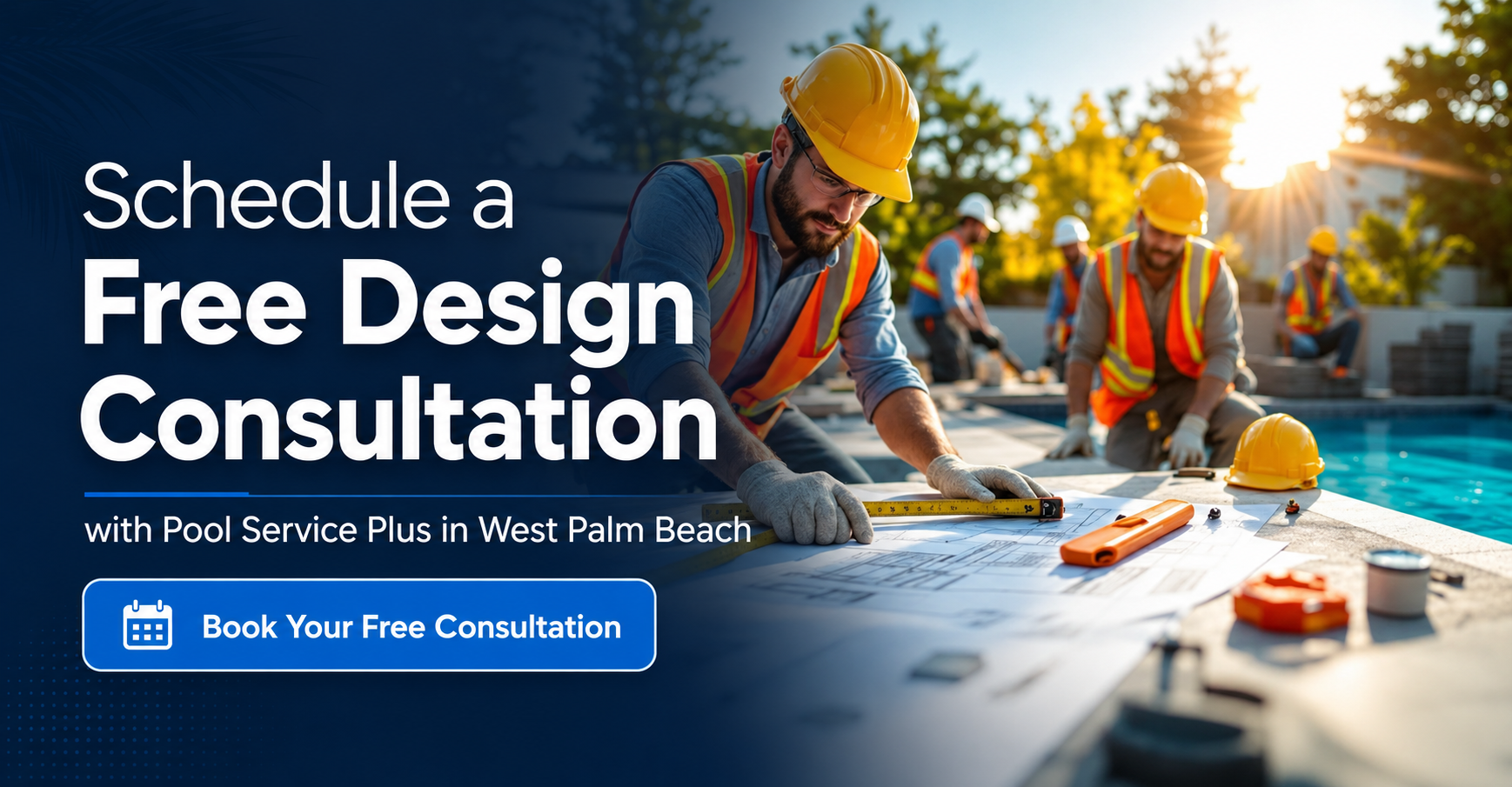
That’s why a pool design consultation is so important. It helps you plan everything clearly before construction begins.
In this guide, you’ll learn how to plan your perfect pool, explore custom pool design ideas, and avoid common mistakes.
A pool design consultation is the first step in building your pool.
During this process, experts:
It’s where your ideas become a practical plan.
Many homeowners skip this step and regret it later.
Here’s why it matters:
From real-world experience, proper planning always leads to better results.
1. Analyze Your Backyard Space
Start with your available space.
Check:
Tip: Choose a location that gets good sunlight but also allows shaded seating areas.
Your goal decides your design.
Ask yourself:
Examples:
Different types suit different needs.
Expert Insight:
If you want unique custom pool design ideas, go with concrete.
This is where creativity comes in.
Popular backyard pool ideas:
Tip: Focus on 2–3 features instead of adding everything.
A good layout makes your pool easy to use.
Consider:
The design should feel open, not crowded.
Materials impact both look and durability.
Options include:
Tip: Choose materials that are durable and easy to maintain.
Costs depend on many factors:
Smart Planning Tip:
Keep an extra 10–15% budget for unexpected expenses.
Searching for pool design services near me helps you find local experts.
Look for:
A good team makes the process smooth.
Avoid these common errors:
These mistakes can increase costs and reduce satisfaction.
Working with experts gives you:
It’s a smart investment for long-term results.
Expert Tips for Perfect Pool Planning
A great pool starts with a great plan.
With Pool Service Plus, a professional pool design consultation helps you create a pool that fits your lifestyle, space, and budget perfectly.
Instead of guessing, you build with clarity and confidence.
Ready to start?
Connect with Pool Service Plus expert pool designers and turn your backyard into your favorite space.
1. What is included in a pool design consultation?
A pool design consultation includes site inspection, design planning, feature selection, material guidance, and budget discussion. Some companies also provide layout drawings or 3D designs to help visualize the final pool.
Some companies offer free consultations, while others charge a fee depending on project complexity. In many cases, the fee is adjusted in the final cost if you proceed with construction.
Pool design planning usually takes 1 to 3 weeks. Complex designs or multiple revisions may take longer depending on customization, approvals, and client requirements.
For small spaces, plunge pools, compact lap pools, and minimal designs work best. Adding built-in seating and light colors can make the area feel more spacious and modern.
Choose a company with proven experience, good reviews, and a strong portfolio. Make sure they provide clear timelines, transparent pricing, and design previews before starting the project.
